 Cres Ian Lorenzo
SOUTHEAST Asia will need up to $1 billion in investments to support the region’s infrastructure and innovation to attain regional food security, according to paper published by the Southeast Asian Regional Center for Graduate Study and Research in Agriculture (Searca).
The paper titled “Strengthening Private Sector Engagement in Asean Food Security” said the Association of Southeast Asian Nations (Asean) needs from $500 million to $1 billion in blended finance for agricultural infrastructure and innovation to support regional food security.
The amount is central to a broader framework aimed at addressing a persistent paradox in the region, as Southeast Asia is among the world’s major food suppliers, yet millions of its citizens still face difficulty accessing affordable and nutritious food.
The framework behind the paper was developed by Searca with the Asean Business Advisory Council (Asean-BAC) Philippines and the Asean Food Security Alliance (AFSA). It is built on regional data, seven commodity assessments, case studies, and stakeholder consultations.
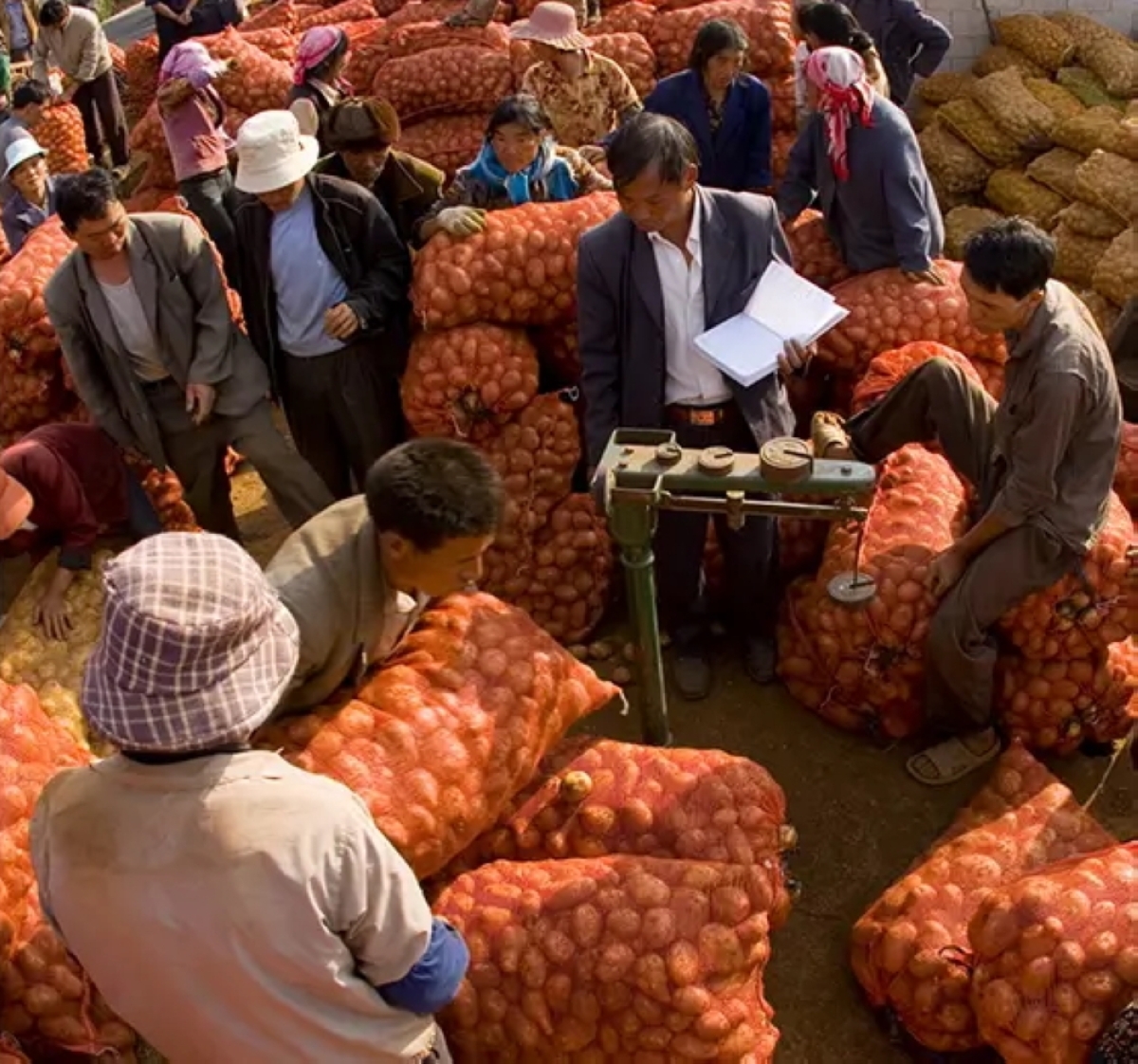
NUTRITIOUS FOOD FOR CONSUMERS A new Searca paper calls for investments of up to $1 billion for infrastructure and innovation for the region’s food security push that also aims to provide nutritious food for the region’s population. SEARCA PHOTO
It outlines four linked pathways where private capital and expertise could make a difference: raising farm productivity and innovation; widening market access for smallholders; upgrading postharvest infrastructure and value chains; and channeling finance and technology toward more resilient systems.
To make those pathways workable, the framework lists five policy priorities. These include creating conditions that make smallholder inclusion attractive to investors; easing regional food trade; financing agricultural infrastructure; improving coordination during crises and advancing climate innovation; and safeguarding land rights and environmental sustainability.
The proposed $500 million to $1 billion blended facility is intended to finance precisely those areas — through storage, logistics, processing, cold chain, irrigation, and technology adoption — that often struggle to attract commercial lending alone because of risk, scale, and return considerations.
By blending public, development, and private funds, the mechanism seeks to lower risk and draw more commercial investment into projects that connect smallholders to markets.
A second proposal complements the financing push: a smallholder inclusive accreditation scheme that would recognize companies that can show smallholders are integrated into their commercial value chains. The incentive model aims to shift inclusion from corporate social responsibility to core business practice.
At the center of the approach is the promotion of Public-Private-Producer-People Partnerships, or 5Ps, where governments, businesses, producer groups, and communities share investments, risks, decisions, and benefits.
The framework also includes a phased implementation plan and accountability measures to track results in farmer incomes, food access, and resilience.
Searca Center Director Mercedita Sombilla presented the framework at the Asean Food Security and Agribusiness Summit 2026 in Manila on Oct. 10, 2026, organized by ABAC Philippines as a follow-up to earlier multi-stakeholder discussions.
Authored by Dinah Pura Depositario of the University of the Philippines Los Baños, the brief frames the challenge not only as producing more food, but ensuring farmers gain from agricultural growth and nutritious food becomes more accessible and affordable — with the proposed financing facility positioned as the instrument to move from framework to implementation.