 Cres Ian Lorenzo
REVITALIZING Quezon province’s coconut industry will require moving beyond low-value copra production toward higher-value processing, building stronger farmer enterprises, and pursuing coordinated long-term investment, according to a new policy brief from the Southeast Asian Regional Center for Graduate Study and Research in Agriculture (Searca).
Quezon accounted for about 10 percent of the country’s coconut production in 2023 and had the largest coconut area nationwide that year. However, many farming households in the province remain dependent on copra with limited value addition.
The brief, titled “Revitalizing the Coconut Industry in Quezon Province, Philippines through Inclusive Enterprise Development and Strategic Roadmapping,” was authored by Anna Gale Vallez, Gerlie Tatlonghari and Kim Louisse Patagnan, who were affiliated with Searca during project implementation. It is based on field scoping missions, baseline assessments, and rapid value chain analyses in the province.
The publication goes beyond secondary statistics, using field evidence to identify operational constraints.
Productivity in several key municipalities was limited by aging trees and frond loss from recurring typhoons, which reduced sap and nut availability during recovery.
Other constraints cited include aging farmers, youth outmigration, insufficient infrastructure and processing capacity, weak farmer organizations and financial systems, and fragmented markets.
Enterprise assessments also found quality control issues that affect market access.
Coconut sap sugar samples tested under the project averaged 5.8-percent moisture, above the 3.5-percent ceiling under the Philippine National Standard.
Higher moisture can lead to clumping and shorter shelf life, limiting entry to formal retail.
For artisanal lambanog, producers reported batch discoloration and variable alcohol content associated with non-standardized equipment.
Baseline findings also indicated farmers had little or no exposure to advanced processing methods and Good Agricultural Practices (GAP).
Focus group discussions showed farmer associations had basic organizational structures, but some lacked formal governance, financial liquidity, and stable buyer relationships.
The assessments noted distinct gender and generational patterns.
Women carried out much of the processing work — including monitoring sap collection, cooking coconut sugar, filtering virgin coconut oil, and packaging — but administrative and board posts in local agricultural cooperatives remained mostly held by men.
Youth participation in field operations was low, although interest increased when activities involved digital marketing, agro-processing technologies, and logistics.
From copra to diversified value
From this evidence, the brief presents a shift from raw copra to higher-value derivatives as a pathway to raise farmgate returns and diversify incomes, with compliance with food safety and regulatory requirements identified as essential for accessing more profitable domestic and export markets.
It recommends that the Quezon provincial government align replanting, farm rehabilitation and livelihood diversification priorities with the Coconut Farmers and Industry Development Plan, and coordinate with the Philippine Coconut Authority (PCA) and other implementing agencies to access support under the Coconut Farmers and Industry Trust Fund.
The brief calls for site-appropriate planting materials and intercropping with cash crops such as coffee, cacao, and banana.
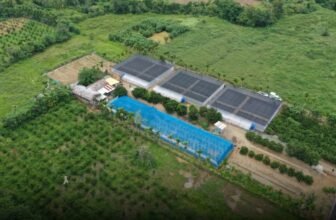
It also prioritizes expanded access to shared service facilities equipped with industrial dryers, food-grade processing equipment, and packaging facilities to allow small enterprises to process sap and nuts into market-ready products under standardized conditions.
For regulatory readiness, it recommends technical assistance for food safety management systems, including Good Manufacturing Practices and Hazard Analysis Critical Control Point where applicable, while distinguishing these systems from Food and Drug Administration authorizations such as licenses to operate and certificates of product registration.
Roadmap beyond 2026
The brief links enterprise development to stronger organizations, proposing targeted programs on enterprise management, financial literacy, and digital marketing, along with improved cooperative governance.
It suggests creating formal pathways for women active in processing to occupy executive and board positions, and developing specialized agribusiness and technology roles to attract youth.
With the Provincial Coconut Industry Roadmap covering 2024-2026, the brief proposes updating and extending the roadmap beyond its current period through a provincial policy instrument.
It also recommends establishing a permanent Provincial Multi-Stakeholder Council comprising PCA, Department of Agriculture, Department of Trade and Industry, civil society organizations, and cooperative representatives to oversee implementation, monitor enterprise benchmarks, and align resources from national programs.
For market positioning, it proposes a “Quezon Coconut Brand” as a collective brand and quality seal, supported by eligibility criteria, verification mechanisms, and regulatory compliance, to strengthen local product identity and reduce reliance on fragmented informal channels.
The brief concludes that revitalization will require systemic, long-term investment in infrastructure, institutions and inclusive enterprise development through coordinated action among local governments, national agencies, farmer organizations, and the private sector.