 Cres Ian Lorenzo
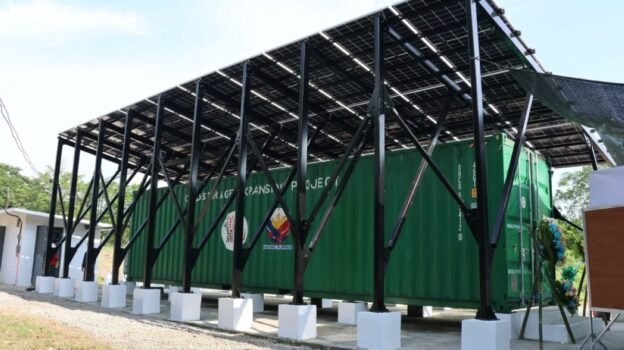
FARMERS in Bataan can start reducing their post-harvest losses and improve handling of their produce following the turnover of a modular cold storage facility to the Cupang West Multipurpose Cooperative in Balanga.
The Department of Agriculture (DA) turned over the facility on Sept. 24, 2026 with an operation and maintenance training conducted for cooperative members tasked to manage it.
The project was implemented through the Agricultural and Fisheries Logistics Office of the DA Regional Field Office 3 (DA-RFO3) as part of support for farmers and farmers’ organizations in the province.
The DA-RFO3 has jurisdiction over Central Luzon.
The facility is intended to extend the shelf life of high-value crops and other agricultural commodities by slowing spoilage after harvest.
For farmers, the availability of cold storage addresses a persistent constraint in the post-harvest chain where lack of storage often forces immediate sale at lower prices to avoid wastage.

The modular cold storage facility that was turned over to the Cupang West Multipurpose Cooperative in Balanga, Bataan is expected to help farmers reduce post-harvest losses and improve the storage and marketing of agricultural produce. DA PHOTO
By allowing the cooperative to hold produce until market conditions improve, the facility help provides greater flexibility in marketing.
This holding capacity is seen as a mechanism for farmers to time their sales, potentially securing better prices and generating higher income.
The accompanying training focused on equipping cooperative representatives with skills for safe, proper, and efficient operation, care, and upkeep of the unit, a component aimed at ensuring sustainability and long-term use.
The project aligns with broader government efforts to strengthen the agriculture sector in Central Luzon by reducing losses, raising farm incomes, and supporting food security through improved logistics.
It also complements the administration of President Ferdinand Marcos Jr.’s thrust to upgrade agricultural support systems, particularly logistics and post-harvest facilities that enable farmers to store, manage, and market produce more effectively.