 Cres Ian Lorenzo

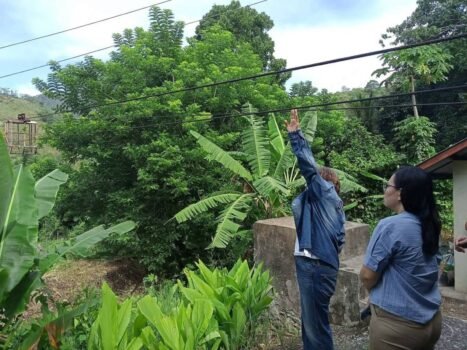
A CABLE-CAR hauling system in Barangay Tubungan in Kayapa, Nueva Vizcaya has become a key transport link for vegetable growers in the upland town, helping them move high-value crops from steep mountain farms to market hubs faster and safely.
Kayapa, located near the Cordillera mountain range, is known as one of Nueva Vizcaya’s main producers of chop suey vegetables. The municipality’s cool climate supports the cultivation of cauliflower, carrots, potatoes, and leafy greens on about 60 hectares of farmland tended by local growers.
Department of Agriculture (DA) Region 2 Information Officer Ferdinand Cortez said the tramline in Tubungan has played a major role in addressing one of the biggest challenges in mountain farming: logistics.
“Tramlines are vital features in the vegetable community of Tubungan because they help farmers move products more efficiently and keep farm-to-market travel safer and more organized,” Cortez said.
The facility, which started operating in 2011, is used to haul baskets, sacks, and crates of produce across ravines and steep slopes. Before the tramline, farmers had to carry loads manually down rugged trails, a process that was labor-intensive and increased the risk of crop damage.
Cortez said the system is especially important given the short harvest window for vegetables.
“In many upland and agricultural areas, vegetables are harvested within short time windows, and delays can lead to spoilage or reduced profits,” he said. “When a reliable tramline exists, transporting baskets, sacks, and crates becomes faster and less physically demanding.”
The tramline currently serves 152 farmers in Tubungan. The DA Region 2 office said the facility has helped lower labor costs, shorten transport time, and reduce post-harvest losses.
Beyond efficiency, Cortez said the infrastructure has also encouraged cooperation among growers and improved the quality of produce reaching markets.
“The tramline plays a central role in Tubungan’s vegetable community by improving transportation efficiency, encouraging cooperation, protecting product quality, and strengthening economic opportunities,” he said.
“It helps farmers respond to the fast pace of vegetable production while reducing risks associated with hauling goods over difficult terrain,” Cortez added.
Even as the government continues to build and expand farm-to-market roads in different parts of Nueva Vizcaya, officials said the Tubungan tramline remains critical for areas where road access is limited by terrain.
For Kayapa, which markets vegetables across Region 2 (Cagayan Valley) and nearby regions, the combination of highland climate and support infrastructure has helped sustain production. The town’s output contributes to Nueva Vizcaya’s role as one of Northern Luzon’s major food sources.
Cortez said maintaining such facilities is important to support the livelihoods of upland farmers.
“Maintaining and valuing tramline infrastructure is essential to sustaining Tubungan’s vegetable livelihood and ensuring that farmers can continue to thrive,” he said.
The tramline also demonstrates how targeted infrastructure can address geographic constraints and help mountain communities remain competitive in supplying fresh produce.