
 Cres Ian Lorenzo
Overview
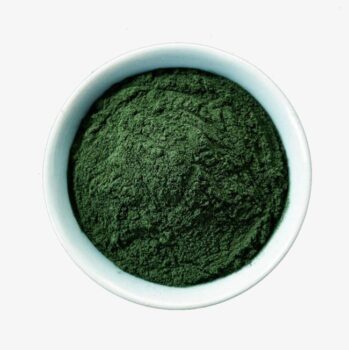
Spirulina is a species of edible blue-green algae belonging to the genus Arthrospira. This single-celled cyanobacterium has existed for billions of years, playing a major role in producing Earth’s oxygen-rich atmosphere about 2.3 billion years ago. Alongside phytoplankton, spirulina formed part of the base of the ancient food chain, enabling the development of early life. Through photosynthesis, it efficiently converts sunlight into concentrated nutrients—particularly protein, healthy fats, antioxidants, vitamins, and minerals.

Historically, spirulina was a staple food for the Aztec civilization around Lake Texcoco (modern-day Mexico City) and for communities near Lake Chad in Africa. Nicknamed “the best food for the future,” it produces more high-quality protein per unit of land and water than any other staple crop. In modern times, it has been cultivated in small-scale tank systems to combat malnutrition in West African regions with nutrient-poor soils, where local children call it their “green medicine.”
NASA popularized spirulina after successfully using it as a food supplement for astronauts, later proposing it as a sustainable food source for long-term space missions—including future Mars expeditions.
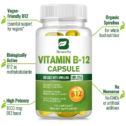
BEWORTHS Methyl B12 1000mcg + Organic Spirulina – Vegan Energy & Nerve Support (120 Caps)
200 Tablets Spirulina Food Supplement with Probiotics for Diabetes, Highblood, Almoranas, Bukol
Biology & Characteristics
The word spirulina comes from the Latin spirula (“small spiral”), describing its coiled microscopic filaments. It thrives in warm, alkaline, saline waters with a pH around 8.5 and temperatures between 86–104°F (30–40°C). Though it grows naturally in tropical and subtropical regions across the globe, most commercially available spirulina is cultivated in controlled, shallow ponds or tanks to ensure purity and nutrient consistency.

Two main species dominate global production: Arthrospira platensis and Arthrospira maxima, with platensis accounting for the majority of the dietary market. Spirulina is also widely used in aquaculture feed, cosmetics, skincare, and as a natural food colorant.
Christopher Hills, often called the “Father of Spirulina,” was instrumental in developing large-scale cultivation methods and introducing them to the global health market.
Cultivation Methods
- Open Pond Systems – The most common method, using shallow, raceway-shaped ponds continuously stirred with paddle wheels to maintain nutrient and light exposure.
- Closed Systems – Less common, these greenhouse-like or photobioreactor setups provide more controlled environments and reduce contamination risk.
After harvesting, the biomass is filtered, dried—often in noodle-like strands—and ground into powder.
Nutritional Profile & Health Benefits
Protein
- Contains 50–70% protein by dry weight, making it one of the richest plant-based protein sources.
- A complete protein with all essential amino acids.
- Lacks cellulose walls, making nutrients highly digestible—up to four times more absorbable than red meat protein.
- One tablespoon typically provides 4–6g of protein, making it popular among vegans and vegetarians.
Vitamins & Minerals
- Rich in beta-carotene (provitamin A), B vitamins (except bioactive B12), vitamins E, K1, and K2.
- High in iron, magnesium, manganese, iodine, sulfur compounds, and calcium spirulan—a potent antiviral compound.
- Contains gamma-linolenic acid (GLA), an omega-6 fatty acid with anti-inflammatory properties.
Fatty Acids
- Includes small amounts of omega-3s (ALA, EPA, DHA) and omega-6s.
- GLA content can help with hormonal balance, joint pain, PMS symptoms, eczema, and inflammation.
Antioxidants
- Contains carotenoids (beta-carotene, zeaxanthin, lutein), chlorophyll, and phycocyanin—a blue pigment with powerful antioxidant and anti-inflammatory properties.
- Antioxidants help combat oxidative stress, support DNA repair, boost immunity, and protect eye health.
Detoxification & Protective Effects
Chlorophyll aids in cleansing the blood, lymph, and liver.
It can bind to heavy metals (arsenic, lead, mercury, etc.) and assist in their removal from the body.
Supports healthy gut bacteria, discourages harmful microbes and yeast overgrowth.
Usage
Available as powder, capsules, or tablets. The taste ranges from mildly sweet and nutty to oceanic, depending on quality.
Common uses:
- Blended into smoothies, juices, or protein shakes
- Sprinkled on salads or savory dishes
- Incorporated into protein bars, desserts, or raw chocolates
- Used as a DIY face mask when mixed with clay and water
Precautions
Avoid spirulina if you:
- Have phenylketonuria (PKU)
- Have hyperthyroidism
- Are you allergic to seafood or iodine
Consult a healthcare provider if pregnant, nursing, taking medication, or managing a serious health condition.
Bottom line
Spirulina is one of the most nutrient-dense foods known, offering concentrated protein, essential fats, antioxidants, and detoxifying compounds. When sourced responsibly, it is a safe, sustainable superfood with applications ranging from malnutrition relief on Earth to potential long-term space travel nutrition.
Where to Buy
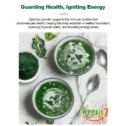
Weekit7 Spirulina Powder – Rich in Plant Protein and Antioxidants
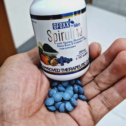
GFoxx Spirulina for Men Blue Tablets Good for Prostate




Hey There. I found your blog using msn. This is an extremely well written article. I will be sure to bookmark it and return to read more of your useful info. Thanks for the post. I will certainly return.