 Cres Ian Lorenzo
SANTA ANA, Cagayan — In a town better known for its economic zone and freeport, farming is getting a new push from the sun.
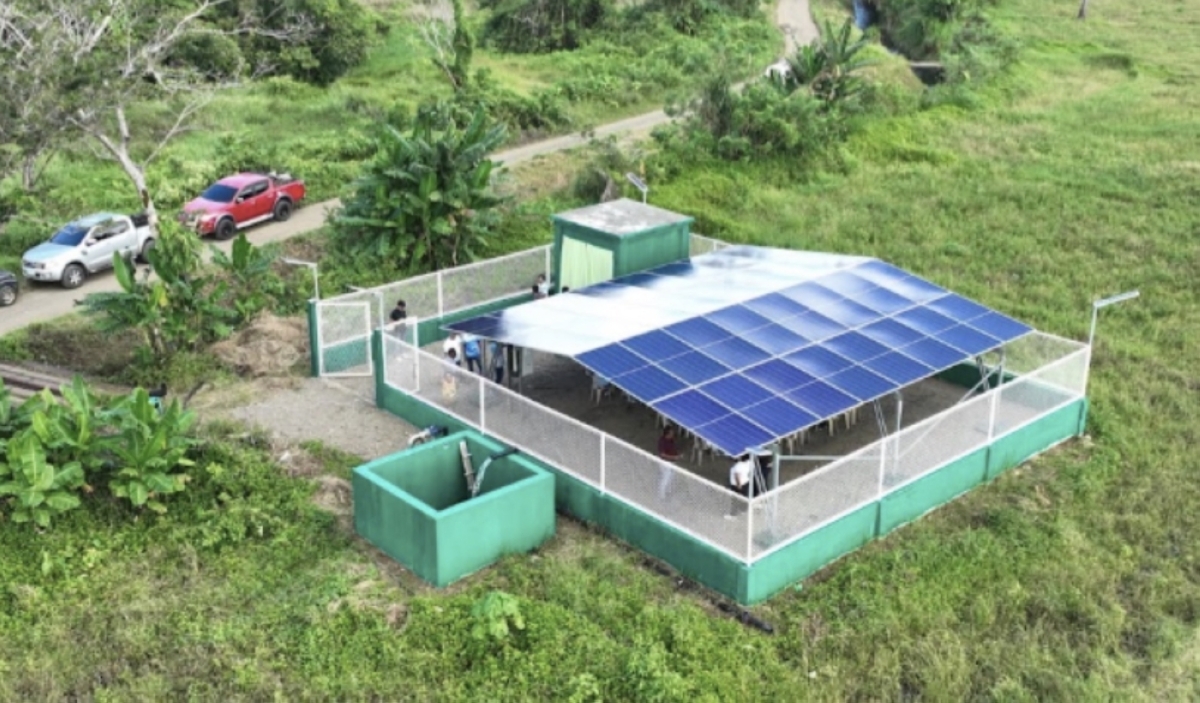
Two solar-powered irrigation projects were inaugurated in Sitio Ugudan and Barangay Visitacion on Nov. 6, 2026, in a move the National Irrigation Administration (NIA) said is meant to strengthen agriculture inside the economic zone.
At least 30 farmers are expected to gain from the improved water supply. Each facility carries 32 solar panels and is designed to serve 15 hectares of rice land cultivated by the same number of farmers.
For Santa Ana, the shift matters. The municipality hosts the Cagayan Special Economic Zone and Freeport, where trade, tourism, and port activities often draw attention. The new projects turn the focus to the rice fields that sustain farming families in the area.
NIA said the facilities are meant to provide a steady water supply for rice fields, especially during long dry spells when farmers have traditionally depended on rain.
With water available beyond the rainy season, beneficiaries are expected to be able to cultivate their land more than once a year.
Before the facility was installed in Ugudan, farming there depended entirely on rainfall, said Denton Agra, treasurer of the Ugudan Santa Maria Irrigators’ Association. Agra said they could plant rice only once a year because the area depended entirely on rainfall.
Pablito Buyco Agra Jr., president of Cavicia Pangkat 3, said the project is expected to give farmers greater flexibility in their planting schedule. He said they no longer have to wait for the rainy season to plant rice, and can now plant at any time.
Santa Ana Mayor Nelson Robinion said the municipal government will continue working with the NIA to develop agriculture in the town and support local farmers.
Engr. Rowila Macoco, head of the NIA-Visitacion Irrigation System, said the facilities must be kept in good condition and water must be shared fairly, particularly as El Niño and other climate-related conditions put pressure on farm water supply.
The projects are part of the NIA’s continuing effort to expand access to reliable irrigation through sustainable technologies. By using solar energy, the facilities are expected to reduce farmers’ dependence on rainfall and support more consistent rice production.